
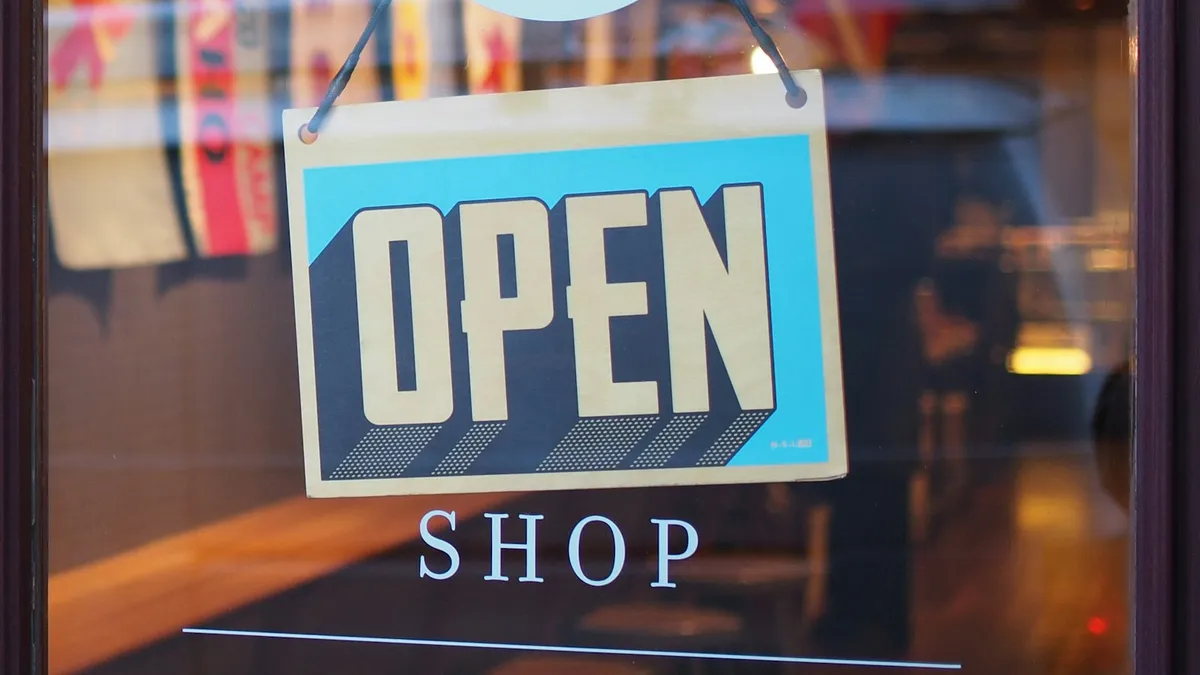
Local e-commerce changes how a neighborhood shops online every day. Instead of waiting for a distant warehouse, buyers order from stores nearby. Consequently, orders arrive faster and sellers keep a personal connection. Moreover, the money stays closer to home and supports local jobs. For many shoppers, that mix feels better than a faceless checkout, so they shop local online whenever they can.
Furthermore, neighborhood marketplaces give small sellers a shared digital storefront. A bakery, a pharmacy, and a gift shop can appear together online. As a result, customers discover several local businesses in one visit. In addition, sellers share delivery routes and marketing costs fairly. Therefore, even a tiny shop can compete online with confidence.
What Is Local E-Commerce, Exactly?
Local e-commerce means selling products online to customers nearby. Typically, the seller and the buyer share the same city or neighborhood. Therefore, delivery stays short and pickup stays simple for everyone. For example, a customer orders groceries online and collects them later. Meanwhile, the store prepares the order between regular walk-in sales.
By contrast, traditional online shopping often ships from far away. Packages travel through large warehouses and multiple sorting hubs first. Consequently, delivery takes longer and returns feel more complicated. In addition, buyers rarely know who packed or sold the item. Local e-commerce fixes that gap with names, faces, and accountability.
What Makes a Neighborhood Marketplace Different?
A neighborhood marketplace brings many local sellers onto one platform. Shoppers browse different stores without opening dozens of separate websites. Furthermore, the platform handles search, payments, and order tracking centrally. As a result, small sellers gain tools they could not build alone. Meanwhile, buyers enjoy one basket, one payment, and one delivery.
Moreover, these marketplaces organize listings around place, not just product. Listings show distance, opening hours, and pickup options very clearly. Therefore, a shopper can choose speed, price, or familiarity easily. For instance, someone may pick the closest store for urgent medicine. Alternatively, they may choose a favorite bakery for weekend treats.
| Feature | Traditional Online Store | Neighborhood Marketplace |
|---|---|---|
| Seller location | Often distant or unclear | Nearby and clearly shown |
| Delivery distance | Long routes from warehouses | Short routes within the area |
| Fulfillment choices | Shipping only, usually | Delivery, pickup, and click and collect |
| Customer relationship | Mostly transactional | Personal and community based |
| Product discovery | National bestsellers dominate | Local specialties stand out |
| Returns handling | Mail the item back | Drop it at the store |
Overall, the table shows a simple but powerful shift. Proximity becomes a feature that shoppers can actually use daily. Consequently, local sellers compete on service, freshness, and trust instead. Furthermore, those strengths suit neighborhood businesses far better than price wars. In fact, many sellers win loyal customers without discounting heavily.
Why Are Neighborhood Marketplaces Winning Shoppers Over?
Firstly, speed matters because the stock already sits nearby. Sellers do not wait for a warehouse to release an order. Instead, staff pick items from real shelves in the store. As a result, same-day delivery becomes realistic for everyday essentials. Moreover, click and collect lets buyers skip delivery fees entirely.
Secondly, trust grows when buyers know the seller personally. Shoppers can visit the store, ask questions, and resolve problems quickly. Therefore, a wrong size or a damaged item feels less stressful. For example, a customer can exchange shoes in person within minutes. By contrast, a distant return may involve forms, labels, and waiting.
Thirdly, local marketplaces surface products that big platforms overlook. Artisan foods, handmade gifts, and regional specialties shine in local listings. Furthermore, sellers explain the story behind each product with real knowledge. Consequently, shopping feels like discovery rather than endless scrolling. In addition, seasonal items appear quickly because sellers respond to local demand.
How Does Hyperlocal Delivery Actually Work?
Hyperlocal delivery moves orders across a small, defined area quickly. Typically, the marketplace assigns each order to the nearest suitable seller. Then, a rider or the store team completes the short trip. Meanwhile, live tracking keeps the buyer informed at every step. As a result, the whole journey stays transparent and predictable.
Moreover, sellers prepare orders in small, frequent batches throughout the day. This rhythm suits fresh food, flowers, and daily essentials especially well. However, it also demands accurate stock information at all times. Therefore, real-time inventory updates protect both buyers and sellers from disappointment. In fact, one cancelled order can damage trust more than slow delivery.
For growing sellers, delivery choices also shape long-term costs and control. Our guide to ecommerce scalability frameworks and technical debt explains that balance clearly. Similarly, the Faisalabad case study on supply chain, logistics, and transport marketing shows delivery as marketing. Consequently, smart sellers treat fulfillment as part of the brand experience.
Which Marketplace Models Can Local Sellers Choose?
Firstly, multi-vendor marketplaces list many independent sellers under one roof. The platform provides traffic, payments, and shared delivery support centrally. In return, sellers usually pay a commission on each sale. Therefore, this model suits sellers who want visibility without building technology. However, sellers must follow shared rules on pricing and service.
Secondly, a single store can run its own local online shop. The seller controls branding, prices, and customer data more directly. Moreover, loyal walk-in customers can shift to online ordering smoothly. For instance, a grocery store can add a simple ordering page. Then, regulars order ahead and collect without queuing at all.
Thirdly, social commerce turns chat and social apps into storefronts. Sellers share catalogs, answer questions, and confirm orders through direct messages. As a result, the buying process feels conversational and familiar locally. Furthermore, community groups amplify new products through shares and recommendations. Consequently, social commerce for local businesses works especially well for food and fashion.
Why Does Local SEO Matter So Much Here?
Local SEO for e-commerce helps nearby buyers find your store first. Most local purchases begin with a search on a phone. For example, shoppers search for a product plus the words near me. Therefore, accurate listings decide which sellers appear in those moments. Moreover, reviews and photos influence the final choice very strongly.
To rank well, sellers should keep business details consistent everywhere. Names, addresses, phone numbers, and opening hours must always match. In addition, product pages should mention the neighborhood and delivery area naturally. Furthermore, fresh photos and honest reviews build confidence before checkout. As a result, near me shopping traffic converts into real orders.
Digital visibility also rewards sellers who publish genuinely local content. Guides, event posts, and seasonal roundups show real community knowledge clearly. Our overview of the global impact of digital marketing explains this shift broadly. Likewise, the Beograd guide to scaling eCommerce growth with digital marketing shows practical local tactics. Consequently, content and community together strengthen every local listing.
As local e-commerce continues to reshape consumer behavior and empower small businesses, it also presents unique challenges that necessitate strategic operational efficiency. For neighborhood marketplaces, the ability to quickly adapt to changing demands means that entrepreneurs must not only focus on enhancing their online presence but also on optimizing their internal processes. One effective approach is to identify which operational tasks can be delegated, allowing business owners to concentrate on growth and customer engagement. By evaluating a comprehensive list of tasks to outsource in a small business, local sellers can streamline their operations, ensuring that they maintain the personal touch that defines their brands while efficiently managing the complexities of a digital marketplace. This strategic delegation not only boosts productivity but also fosters a sustainable business model that can thrive in the competitive landscape of local e-commerce.
How Can a Small Business Start Selling Locally Online?
Firstly, choose a narrow offer that fits nearby demand well. Start with products that locals already buy from you regularly. For example, a pharmacy might begin with everyday health essentials. Meanwhile, a bakery could start with bread, cakes, and preorders. Therefore, the first catalog stays focused, fresh, and easy to manage.
Secondly, pick one channel and set it up properly. A marketplace listing, a simple store, or a social catalog works. Moreover, clear photos and honest descriptions matter more than fancy design. In addition, state delivery areas, pickup times, and fees upfront. As a result, customers know exactly what to expect before ordering.
Thirdly, connect online orders to your daily store routine. Assign one person to check orders at set times daily. Furthermore, update stock whenever shelves change, not just at closing. Consequently, cancellations drop and customer confidence rises steadily over time. Finally, ask happy buyers for reviews and repeat-order reminders politely.
In short, small business e-commerce succeeds when the plan stays simple. Planning helps here, especially for very small teams with limited time. The Reno executive guide to scaling small business growth with digital marketing offers useful structure. Similarly, our article on digital transformation in business explains the bigger mindset shift. Therefore, sellers can grow online without losing their local character.
What Challenges Do Local Marketplaces Still Face?
Firstly, limited stock can frustrate buyers when popular items sell out. Small stores simply hold less inventory than large warehouses do. However, honest stock levels and waitlist options soften that problem considerably. Moreover, sellers can suggest a close alternative when something runs out. As a result, a stockout becomes service instead of disappointment.
Secondly, delivery costs can squeeze margins on very small orders. Short trips still need riders, fuel, and careful packing time. Therefore, minimum order values and pickup incentives help balance the economics. For instance, free pickup encourages larger, planned baskets from regulars. Meanwhile, grouped deliveries to one street reduce repeated trips significantly.
Thirdly, technology gaps can slow smaller sellers down at first. Confusing dashboards and payment delays discourage busy shop owners quickly. Consequently, good platforms invest heavily in simple tools and fast payouts. Furthermore, training and responsive support matter as much as software features. In fact, one helpful support call can save a seller relationship.
| Common Challenge | Practical Response |
|---|---|
| Items sell out quickly | Show live stock and offer a waitlist or alternative |
| Delivery feels costly | Promote pickup and group nearby orders together |
| Buyers cannot find the store | Fix local listings, photos, and neighborhood keywords |
| Returns feel awkward | Publish a clear, friendly in-store returns policy |
| Too many sales channels | Start with one channel and master it first |
How Do Payments and Trust Work for Local Sellers Online?
Payments should feel as easy as paying at the counter. Most platforms accept cards, mobile wallets, and sometimes cash on delivery. Moreover, clear receipts and order confirmations reassure first-time buyers immediately. Therefore, sellers should test the full checkout before promoting it. In addition, visible contact details make the store feel real.
Trust also grows through small, consistent habits every single week. Sellers should answer messages quickly and acknowledge every review politely. Furthermore, accurate photos prevent the most common cause of returns. Consequently, buyers return because the experience matches the promise exactly. Overall, reliability beats discounts as a long-term loyalty strategy.
New payment options keep expanding what local sellers can offer. Our explainer on cryptocurrency in ecommerce explores one emerging payment direction. However, most neighborhood sales still rely on familiar, simple payment methods. Therefore, sellers should prioritize clarity and choice over novelty alone.
What Should Shoppers Look for in a Local Marketplace?
Firstly, check whether seller details and addresses appear clearly. A real location and working contact option signal accountability immediately. Moreover, recent reviews reveal how the seller handles problems, not just products. Therefore, read a few critical reviews before the first order. For example, look for comments about freshness, packing, and delivery care.
Secondly, compare the total cost, not only the item price. Delivery fees, minimum orders, and pickup options change the real value. In addition, check the returns policy before buying something fragile or fitted. Consequently, informed shoppers avoid surprises and support good sellers confidently. Finally, start with a small order and judge the experience yourself.
Frequently Asked Questions
What is the difference between local e-commerce and hyperlocal e-commerce?
Local e-commerce covers selling online within a city or wider area. By contrast, hyperlocal e-commerce focuses on a much smaller zone. Typically, hyperlocal orders travel only a few streets or neighborhoods. Therefore, delivery feels faster and pickup feels easier for buyers. Moreover, both models rely on nearby sellers and local stock.
Why do shoppers choose neighborhood marketplaces over big platforms?
Shoppers value speed, familiarity, and easy problem solving above all. A nearby seller can deliver quickly and handle exchanges in person. Furthermore, local marketplaces highlight unique products that big platforms bury. Consequently, buyers feel they support their community with each order. In addition, personal service creates loyalty that discounts cannot buy.
How can a small shop join a local marketplace?
Firstly, the shop creates a seller account on the chosen platform. Then, it adds clear photos, prices, and delivery or pickup details. Moreover, the owner should verify business information and payment settings carefully. As a result, the first listings appear professional from day one. Finally, the shop promotes its online link to existing walk-in customers.
Is click and collect better than delivery for local orders?
Click and collect, often called buy online pick up in store, suits planned purchases and saves the delivery fee. Meanwhile, delivery suits urgent needs and shoppers with limited time. Therefore, the better choice depends on the order and the day. For example, heavy groceries may suit delivery far better. Overall, good marketplaces offer both options and let buyers decide.
What products sell best through local online marketplaces?
Everyday essentials, fresh food, and local specialties usually perform strongly. In addition, gifts, flowers, and personal care items suit quick local fulfillment. Furthermore, products that benefit from advice sell well through trusted sellers. For instance, a pharmacist can guide a buyer toward the right option. Consequently, knowledge becomes part of the product itself.
How do local sellers compete without lowering prices?
Sellers compete through speed, service, and knowledge of local tastes. Personal recommendations and reliable stock updates build repeat business steadily. Moreover, bundles and preorders add value without cutting the headline price. Therefore, customers stay for the experience, not only the deal. In fact, trust often matters more than a small saving.
The Bottom Line on Local E-Commerce
Local e-commerce succeeds because it keeps online shopping human and close. Neighborhood marketplaces combine digital convenience with real faces and accountability. Consequently, buyers get speed without losing trust or community connection. Moreover, sellers gain modern tools without surrendering their independence online. For neighborhoods, that balance keeps both shops and streets alive.
Furthermore, the model rewards habits that good local businesses already practice. Know your customers, keep promises, and stock what the area needs. Therefore, any small seller can begin with one focused online channel. Start small, serve nearby buyers brilliantly, and grow from there. In the end, the closest store often wins the online game.




