
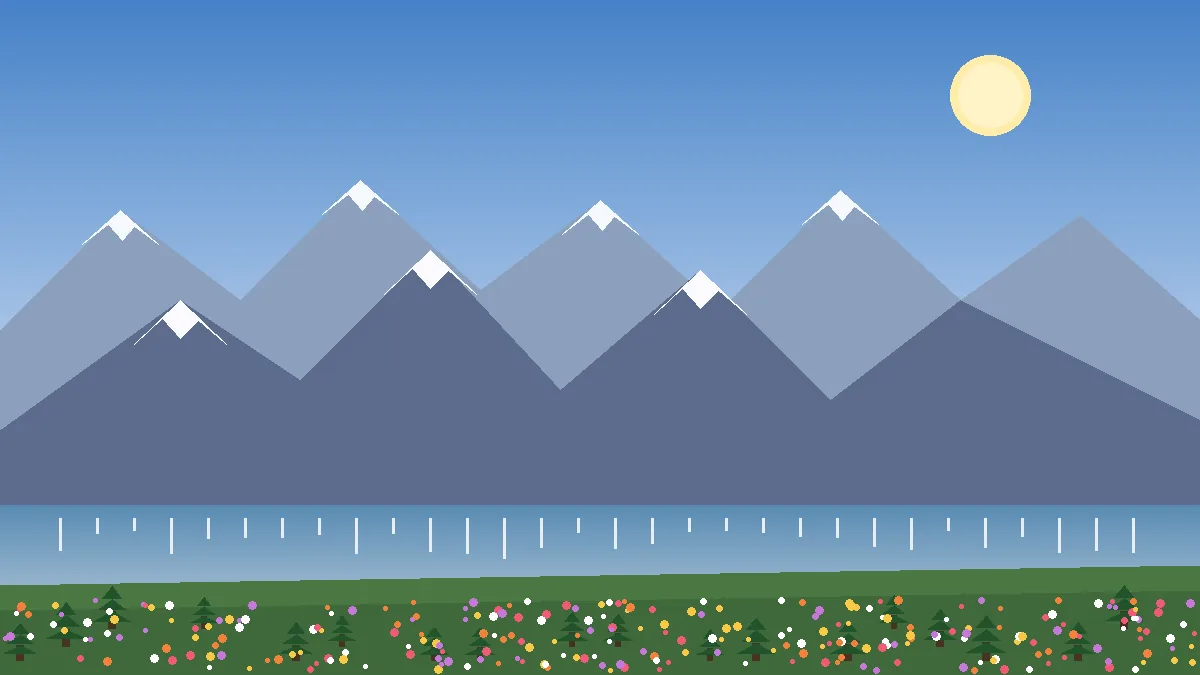
Colorado does mountains on a scale that few states can match. Towering fourteeners fill the horizon in almost every direction here. Moreover, every valley seems to hold a town with its own personality. Finding the best places to visit in the mountains of Colorado therefore takes a little planning. Choices range from polished ski resorts to quiet lakeside villages. Consequently, this guide groups the highlights by region and travel style. Additionally, the guide covers scenic drives, seasonal timing, and simple altitude advice.
How Do You Choose Between So Many Colorado Mountain Towns?
Start with the kind of trip you actually want. Hikers, however, often prefer trailhead towns beside wilderness areas and alpine lakes. Families tend to do best where short walks, wildlife, and easy dining sit close together. Meanwhile, road trippers care most about passes, viewpoints, and historic main streets.
Distance matters more here than the map suggests. Mountain roads wind, climb, and slow down quickly in poor weather. Therefore, picking one or two bases usually beats chasing five towns in three days. Estes Park suits a park-focused trip in the north, for example. Aspen and the Roaring Fork Valley work beautifully for a central mountains base instead. Furthermore, each base below pairs naturally with a scenic drive or two.
Budget shapes the choice as well. Famous resorts bring higher prices for lodging and dining in peak weeks. Smaller towns such as Leadville, Salida, and Lake City often feel gentler on the wallet. In contrast, they still deliver huge scenery and genuine local character. Overall, the Colorado mountain towns below cover every style and budget.
Estes Park and Rocky Mountain National Park
Estes Park is the classic eastern gateway to Rocky Mountain National Park. Elk wander through town in autumn, and the riverwalk stays busy all summer. Consequently, first-time visitors find the town simple, friendly, and very walkable. Grand Lake guards the quieter western entrance on the other side of the park. Together, the two towns frame one of America’s best-loved mountain parks.
Inside the park, the scenery changes with every mile of road. Alpine tundra rolls away above the treeline in soft greens and golds. Bear Lake and Sprague Lake offer gentle walks with postcard reflections, for instance. Indeed, the range of Colorado hiking trails here suits almost every fitness level.
Trail Ridge Road and Wildlife Watching
Trail Ridge Road is the park’s showpiece drive. Crossing high alpine tundra, it links Estes Park with Grand Lake in summer. However, snow closes this road for much of the year. Always check official park conditions before setting out on it. Additionally, timed entry systems may apply in busy seasons, so plan ahead.
Wildlife watching adds another layer to any visit. Moose favour the wetter western side around Grand Lake and the Kawuneeche Valley. Meanwhile, marmots and pikas whistle from the rocks along tundra trails. Keep a respectful distance from every animal, however tempting the photo looks.
Planning a shoulder-season trip here as well? Our guide to the best fall places to visit in Colorado pairs beautifully with an Estes Park stay. Golden aspens, bugling elk, and cooler trails make autumn unforgettable. Similarly, early summer brings wildflowers and long, bright evenings. Therefore, Estes Park earns a place on itineraries in every season.
Aspen and the Maroon Bells
Aspen began as a silver mining camp and grew into a byword for mountain glamour. Designer shops and fine dining now fill its handsome historic streets. Yet the surrounding Elk Mountains keep the town honest and outdoorsy. Meanwhile, summer brings music festivals, art events, and mountain biking. Culture and wilderness sit side by side here in rare balance.
Just outside town, the Maroon Bells steal every show. Two rugged peaks rise above Maroon Lake in Colorado’s most photographed view. Hikers can loop the lake shore or push on towards Crater Lake. Indeed, few alpine lakes in Colorado match this scene for pure drama. Access is managed in busy seasons, so check current rules before visiting.
Beyond the Bells, Aspen rewards slower exploration. Independence Pass climbs east of town in summer towards towering viewpoints. Moreover, the pass links Aspen with Twin Lakes and Leadville when open. Consequently, Aspen works as far more than a ski stop alone. It anchors a full week of varied mountain days easily.
Vail and the Eagle Valley
Vail built its name on one enormous ski mountain and a European-style village. Cobbled lanes, clock towers, and flower-filled balconies give it an alpine feel. Skiers spread across vast front-side runs and the famous Back Bowls. In summer, however, the village swaps skis for bikes, concerts, and markets. Therefore, Vail delivers a complete resort holiday in any season.
Neighbouring Beaver Creek adds a calmer, family-focused alternative nearby. Minturn and Eagle, meanwhile, offer smaller-town dining and local flavour. Additionally, nearby trails climb into the Holy Cross Wilderness for serious hikers. Vail’s central location also helps road trippers enormously. Breckenridge, Glenwood Springs, and Leadville all sit within comfortable day-trip range. As a result, many visitors base here and explore widely.
Breckenridge and Summit County
Breckenridge keeps its Victorian mining soul beneath a big modern ski resort. Colourful historic buildings line a main street made for wandering. Skiers ride five peaks above town through a long winter season. Moreover, an historic district this intact is rare among major resorts. Families especially love how walkable and welcoming the centre feels.
Summer transforms the town just as completely. Wildflowers spread across the ski slopes from late June onwards. Mountain bikers ride lift-served trails while hikers chase high lakes. Nearby Frisco sits on Dillon Reservoir for sailing and paddleboarding instead. Consequently, Summit County works as one connected mountain playground. Visitors comparing the best ski towns in Colorado usually rank Breckenridge near the top.
Thinking about a winter escape beyond Colorado as well? Our roundup of the best places to visit in winter in the US offers useful contrasts. Still, Breckenridge in fresh snow takes some beating anywhere. In contrast, its summer evenings feel relaxed, local, and unhurried. Either way, book popular dates early because demand stays strong.
Telluride and the San Juan Skyway
Telluride sits in a steep box canyon beneath towering, striped peaks. A free gondola links the historic town with Mountain Village above. Moreover, the setting feels more dramatic than almost any resort in America. Photographers and skiers alike run out of superlatives here quickly.
The town balances luxury with a proudly laid-back spirit. Hikers, meanwhile, climb to Bridal Veil Falls and high basin trails. In winter, ice climbers and skiers share the canyon in happy coexistence. Therefore, Telluride rewards visitors who slow down and explore on foot.
Telluride also anchors one end of the San Juan Skyway loop through the San Juan Mountains. This celebrated route circles through Ouray, Silverton, and Durango in the southwest. Indeed, many travellers rate it among Colorado’s finest drives. Allow a full day at minimum for the complete loop. Additionally, autumn colour along the route is simply spectacular.
Ouray, Silverton, and the Million Dollar Highway
Ouray is often called the Switzerland of America, and the nickname fits. Steep peaks wall in a compact town of Victorian hotels and hot springs. The Ouray Ice Park draws climbers from around the world each winter. Consequently, Ouray mixes adventure and relaxation in equal measure.
North of town, hot springs and river walks suit gentler days. Hikers climb towards Blue Lakes beneath Mount Sneffels for a tougher challenge. Wildflowers carpet those high basins in midsummer, for example. Overall, the Ouray area rewards at least two unhurried nights.
South from Ouray, the Million Dollar Highway climbs towards Silverton. This famous stretch of Colorado scenic drives hugs cliffs above deep gorges. Guardrails vanish in places, and the views demand full attention. The Durango and Silverton Narrow Gauge Railroad arrives here in summer. Therefore, many travellers ride the train one way and drive back. Check road conditions first, because weather can close high passes quickly.
Durango and Mesa Verde Country
Durango brings railroad heritage, river fun, and a lively historic downtown. Steam trains depart for Silverton through the Animas River gorge in season. The Animas River also hosts rafters, kayakers, and a popular riverside trail. Moreover, Purgatory Resort adds skiing and summer activities just north of town. Families find Durango easy, energetic, and full of options.
West of town lies Mesa Verde National Park and its famous cliff dwellings. Ancestral Pueblo people built remarkable homes beneath these canyon alcoves centuries ago. Ranger-led tours explore sites such as Cliff Palace when conditions allow. Indeed, Mesa Verde adds deep cultural history to a mountain trip. Book tours and check seasonal schedules through official channels in advance.
Durango also makes a smart base for wider southwest exploring. Pagosa Springs, with its celebrated hot springs, lies east along the highway. Meanwhile, the San Juan National Forest surrounds the area with trails. As a result, a Durango stay can stretch happily for days. Travellers planning family-friendly mountain towns in Colorado should shortlist it.
Crested Butte, the Wildflower Capital
Crested Butte guards its small-town soul more fiercely than most resorts. Colourful Victorian buildings line Elk Avenue with bikes leaning outside cafés. In winter, steep terrain and deep snow challenge confident skiers. Summer, however, is when this valley truly sings. Meadows explode with colour beneath Gothic Mountain and the Elk Range.
The town proudly calls itself a wildflower capital of Colorado. Hiking and biking trails fan out into flower-filled basins in every direction. Colorado wildflowers peak here in a rolling show through midsummer. Mountain bikers, meanwhile, ride some of the sport’s original singletrack. Indeed, Crested Butte helped pioneer mountain biking in America. Autumn then paints the aspen groves above town a brilliant gold.
Gunnison, down the valley, serves as a practical companion town. The Black Canyon of the Gunnison lies further west for a striking day trip. Therefore, pairing Crested Butte with Gunnison widens any itinerary nicely. Just remember that Kebler Pass and other gravel routes close in winter.
Steamboat Springs and the Yampa Valley
Steamboat Springs blends genuine ranching heritage with a beloved ski mountain. Locals call the fine, dry powder here Champagne Powder with real pride. Western storefronts and working ranches keep the town grounded and friendly. Moreover, natural hot springs wait both downtown and up a forest road. Few towns balance ski culture and cowboy culture this smoothly.
Old Town Hot Springs offers family pools and slides in the centre. Strawberry Park Hot Springs, in contrast, feels rustic, wooded, and serene. Additionally, the ski area runs mountain biking and scenic gondola rides. Consequently, Steamboat works in every season for mixed-age groups.
Comparing winter bases across the north of the country? Our guide to places to visit in Minnesota in winter shows a very different snowy style. Steamboat, however, adds high peaks and hot springs to the mix. That combination keeps tired ski legs remarkably happy. Furthermore, the town’s calendar brims with rodeos and winter carnivals.
Leadville, Twin Lakes, and the Highest Peaks
Leadville is among the highest incorporated cities in North America. Weathered Victorian streets recall a silver boom of legendary scale. Mount Elbert and Mount Massive, Colorado’s two tallest peaks, loom nearby. Hikers with proper preparation tackle these giants in summer, for instance. Meanwhile, gentler trails circle Turquoise Lake just outside town.
The Leadville scenic train ride suits visitors who prefer relaxed sightseeing. It climbs through forest with wide views across the Arkansas Valley. Twin Lakes village, south of town, frames postcard views of the peaks. Additionally, Independence Pass links this valley with Aspen when open. Therefore, Leadville pairs naturally with both Aspen and Buena Vista trips.
Buena Vista and Salida extend the Arkansas River corridor beautifully. Rafting outfitters run famous stretches of whitewater near both towns. Moreover, Monarch Mountain provides friendly skiing south of town. Overall, this corridor suits travellers who want adventure without resort gloss.
Glenwood Springs, Hanging Lake, and Colorado Hot Springs
Glenwood Springs sits where the Colorado River cuts through red canyon walls. Huge hot springs pools have drawn soakers here for generations. The town also serves cyclists riding the Glenwood Canyon recreation path. Indeed, the canyon’s engineered trail is a scenic highlight itself. Families can split days between soaking, cycling, and exploring easily.
Hanging Lake is the area’s natural jewel. A steep trail climbs to a turquoise lake fed by delicate waterfalls. However, the fragile travertine shore needs careful, respectful visitors. Permits and seasonal rules may apply, so verify details before travelling. Additionally, staying on the boardwalk protects this rare place for everyone.
Hot springs towns dot the whole state for restorative stops. Ouray, Pagosa Springs, Steamboat, and Buena Vista all offer memorable soaking. Our feature on the best places to visit for rest and relaxation explores that slower travel style. Similarly, a soak day balances intense hiking or ski itineraries perfectly. Therefore, build one unhurried springs stop into every mountain route.
Which Colorado Scenic Drives Should You Not Miss?
Great drives stitch these towns into one unforgettable journey. Trail Ridge Road crosses Rocky Mountain National Park above the treeline. The Million Dollar Highway, meanwhile, threads the San Juans between Ouray and Silverton. Independence Pass links Aspen with Leadville over the Continental Divide. Additionally, the Top of the Rockies route circles Leadville’s mining country.
Safety matters more than speed on every one of these roads. High passes close seasonally and can shut suddenly in storms. Check official state road reports on the morning you travel. Moreover, afternoon thunderstorms build fast over high country in summer. Early starts therefore bring calmer weather and clearer views. Overall, honest preparation keeps scenic drives joyful rather than stressful.
Nature lovers building a wider bucket list will enjoy our collection of the best nature places to visit in the world. Colorado’s drives, however, compress world-class scenery into single days. Consequently, many visitors plan entire trips around two or three passes. Mountains reward patience far more than tight schedules.
When Is the Best Time to Visit the Colorado Mountains?
Winter belongs to skiers, snowboarders, and lovers of snowy towns. Resorts run at full energy from roughly December through March. January and February usually deliver the coldest, driest powder, for example. Meanwhile, spring skiing adds sunshine and softer afternoon snow.
Summer is the mountains’ most versatile season of all. Wildflowers, festivals, rafting, and high trails all peak together. High passes and alpine roads open as snow melts away. Consequently, booking lodging and park entries early is wise. Afternoon storms arrive reliably, so hike high routes in the morning. Indeed, the best time to visit Colorado mountains for hiking is summer.
Autumn brings a quieter, golden magic to the high country. Aspen groves turn yellow and gold across whole mountainsides. Elk bugle in Rocky Mountain National Park and other valleys. Our seasonal ideas in places to visit in the US for spring break suit the opposite shoulder season. Spring in the mountains, however, stays muddy and unpredictable at altitude. Therefore, late May and June suit waterfall chasers best.
How Can You Handle Altitude and Mountain Weather Safely?
Altitude is the one challenge every visitor should respect. Many towns here sit higher than most European ski resorts. Therefore, take the first day gently and avoid hard exertion. A slow start prevents many ruined holidays in the mountains.
Simple habits make a real difference at elevation. Drink water steadily through the day and eat regular meals. Moreover, sleeping lower than your highest daytime point helps recovery. Spend a night at moderate altitude before sleeping in high towns, if possible. Common guidance also suggests rising gradually between overnight stops. Indeed, these high altitude travel tips protect the whole trip.
Weather in the Rockies changes with startling speed. Pack layers, waterproofs, and sun protection for every outing. Start summit hikes early and turn back if storms build. Additionally, tell someone your route before remote trail days. Overall, respect for conditions is part of mountain culture here.
A Simple Colorado Mountain Trip Itinerary
A one-week Colorado mountain trip itinerary might start in Estes Park. Spend two days in Rocky Mountain National Park with an early alpine start. Continue south towards Winter Park or Summit County for a night. Additionally, a soak in Glenwood Springs breaks the journey west beautifully.
The second half can swing through Aspen and the Maroon Bells. Cross Independence Pass to Leadville if seasonal conditions allow. Alternatively, take the interstate and keep the schedule relaxed. Then head southwest towards Crested Butte or the San Juans. Telluride, Ouray, and Durango deserve at least three nights combined. Finally, ride the Million Dollar Highway and the Durango train if open.
Shorter trips simply need tighter focus on one region. A long weekend suits Estes Park, Breckenridge, or Steamboat alone. Meanwhile, southwest Colorado alone can fill a rewarding full week. Comparing mountain regions further afield, our guide to places to visit in the Upper Peninsula of Michigan shows a gentler landscape. Colorado, in contrast, delivers altitude and drama at every turn. Therefore, choose depth over distance on any first visit.
Frequently Asked Questions
What are the best places to visit in the mountains of Colorado for first-timers?
Estes Park, Breckenridge, and Aspen make an excellent introduction. Estes Park adds the national park, while Breckenridge brings history and easy trails. Aspen contributes the Maroon Bells and superb dining. Moreover, all three offer plenty of lodging and guided options. First-timers therefore feel supported at every step.
Which Colorado mountain town is best for families?
Breckenridge, Steamboat Springs, and Durango all suit families brilliantly. Short trails, scenic trains, and hot springs keep children engaged. Additionally, summer festivals add free entertainment for younger visitors. Winter brings gentle ski schools and sledging hills instead. Overall, pick the town matching your children’s favourite activities.
Do you need a car in the Colorado mountains?
A car helps enormously, because towns and trailheads spread widely apart. Some resorts run good local shuttles and walkable villages, however. Telluride’s free gondola and Breckenridge’s town buses reduce driving locally. Still, scenic passes and remote lakes usually require your own vehicle. Therefore, most visitors rent a car for full flexibility.
How many days do you need for a Colorado mountain trip?
Three days suit one town and its immediate surroundings well. Five to seven days allow two bases and a scenic drive between. Ten days open a proper loop through several regions, for example. Altitude argues against rushing, because bodies adjust better slowly. Moreover, weather days happen, and spare time absorbs them gracefully. Consequently, longer stays almost always feel more rewarding here.
Are Colorado mountain roads open all year?
Main highways and interstate routes stay open through winter, weather permitting. High scenic passes, however, close seasonally under deep snow. Trail Ridge Road, Independence Pass, and Kebler Pass are summer routes. The Million Dollar Highway stays open but demands winter caution. Always check official Colorado road reports before travelling. Additionally, carry suitable tyres and supplies during snowy months.
Final Thoughts on Colorado’s Mountain Places
Colorado’s high country offers far more than a single famous resort. National parks, mining towns, hot springs, and wild valleys all interconnect. Moreover, every season rewrites the same landscape in a new style. Winter brings powder and firelight, while summer brings flowers and festivals. Therefore, repeat visits never feel like the same trip twice.
Choose one region first and explore it properly and slowly. Add a scenic drive, a soak, and one ambitious hike. Leave space for small discoveries along the way as well. Indeed, the best places to visit in the mountains of Colorado reveal themselves gradually. Plan carefully, travel respectfully, and let the altitude set the tempo.




