
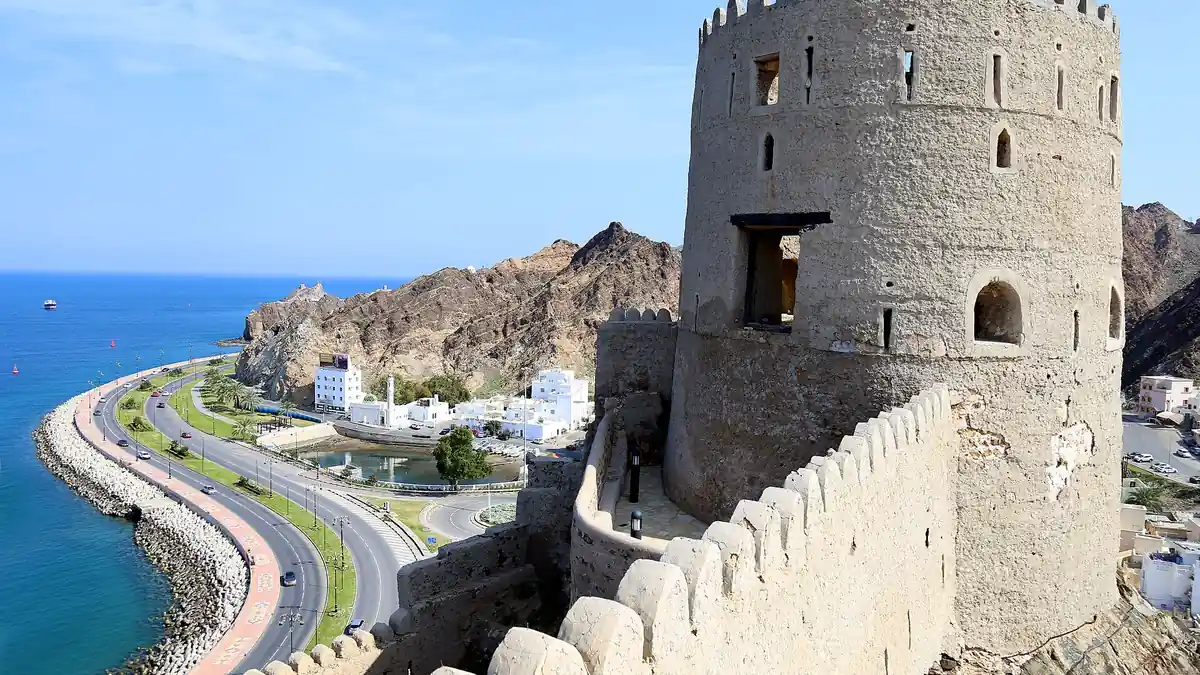
Places to Visit in Oman with Family
Oman rarely tops a family holiday shortlist at first. However, families who visit once often rank it above louder neighbours. In fact, the country feels calm, spacious, and genuinely welcoming. Furthermore, children are treated warmly almost everywhere you go. As a result, parents can relax instead of managing constant crowds.
This guide covers the best places to visit in Oman with family, step by step. Firstly, it starts with easy days in Muscat. Secondly, it moves to forts, wadis, and desert camps. Finally, it ends in green Salalah in the far south. Along the way, you will also find honest notes on ages, pacing, and local customs.
Unlike many listicles, this guide groups places by how families actually travel. For example, Muscat suits short stays and tired arrival days. Meanwhile, Nizwa and the mountains suit curious school-age children. Similarly, the wadis and turtle beaches reward families who love nature. Therefore, you can build a route that matches your children’s energy.
Why Does Oman Work So Well for a Family Holiday?
Safety shapes the whole experience in Oman. Indeed, the country is often listed among the safest places to visit in the Middle East. Consequently, evening walks and relaxed exploring feel normal here. Moreover, roads are generally good, and driving distances stay manageable.
Variety is another huge strength for families. For instance, one morning can start inside a grand mosque. Later, the same day can end on a quiet beach. In addition, a desert night can follow a mountain morning. Because of this contrast, children rarely feel bored for long.
Oman also teaches without trying too hard. Specifically, forts explain history through towers and courtyards. Likewise, souqs teach bargaining, spices, and craft through real life. Even a simple coffee ceremony introduces dates and hospitality. Thus, learning happens naturally during an Oman family holiday.
Muscat: Easy First Days for Every Age
Most families begin in Muscat, the low-rise capital on the Gulf of Oman. Happily, the city spreads along the coast rather than towering upward. Therefore, sightseeing feels gentle rather than overwhelming. Additionally, many highlights sit close together in the older districts.
What Should Families See at the Sultan Qaboos Grand Mosque?
The Sultan Qaboos Grand Mosque is Muscat’s most famous landmark. Above all, its scale impresses children and adults alike. For example, the vast prayer hall and huge chandelier spark real questions. Meanwhile, the peaceful gardens give younger children space to breathe. Consequently, a Sultan Qaboos Grand Mosque family visit rewards a slow pace.
Families should plan this visit carefully, though. In particular, modest dress matters at this religious site. Women and girls generally cover hair, arms, and legs. Men and boys should also wear long trousers and covered shoulders. Furthermore, Friday is the main prayer day, so tourist visiting pauses then. Always check current visiting arrangements before you go.
Why Do Children Love Mutrah Souq and the Corniche?
Mutrah offers the most family-friendly wandering in Muscat. Firstly, the Corniche promenade curves gently around the harbour. Children can watch fishing boats and traditional dhows from the railing. Meanwhile, parents enjoy sea air and mountain views. As a result, even a simple stroll feels like an outing.
Next, step into Mutrah Souq just behind the waterfront. Inside, stalls sell frankincense, silver jewellery, scarves, and toy camels. Children love choosing one small treasure each. However, the lanes can feel busy and maze-like at peak times. Therefore, agree a meeting point before you enter.
Nearby, the National Museum and Bait Al Zubair Museum suit curious families. Both explain Omani heritage through objects rather than long labels. For instance, boats, costumes, and jewellery hold younger attention well. In addition, air conditioning provides a welcome midday break. Afterwards, Qurum Beach offers an easy, relaxed place to unwind.
Nizwa and the Fort Towns: History Children Can Climb
Nizwa was once Oman’s capital, and it still feels like its cultural heart. Best of all, a Nizwa Fort family day trip suits almost every age. The huge round tower rewards climbers with wide views. Meanwhile, the rooms below display cannons, traps, and old defences. Consequently, history feels physical rather than abstract here.
Beside the fort, Nizwa Souq buzzes with local life. Families can browse pottery, dates, spices, and silver khanjar daggers. On Friday mornings, the famous goat market draws crowds of traders. Children find the lively scene fascinating, although it gets very busy. Therefore, arrive early and keep younger children close.
Two more heritage stops sit within easy reach of Nizwa. Firstly, Bahla Fort is a vast UNESCO-listed mud-brick fortress. Its sheer size alone impresses older children. Secondly, Jabreen Castle feels more like an elegant palace inside. Painted ceilings and carved windows there delight detail lovers. Together, these stops make the region one of the best family holiday destinations in Oman.
Al Hoota Cave adds a different kind of adventure nearby. Inside, families follow guided routes past striking rock formations. An underground lake adds extra wonder for older children. However, cave visits depend on conditions and availability. So, treat this stop as a bonus rather than a promise.
Wadis: Natural Water Parks Carved by Mountains
Wadis are the dry river valleys that flood with life after rain. For families, they offer swimming in scenery that feels unreal. Turquoise pools sit between pale cliffs and palm groves. As a result, wadi days often become children’s favourite memories. Nevertheless, each wadi suits a different age group.
Which Wadi Suits Younger Children Best?
Wadi Bani Khalid is the easiest choice for younger families. Importantly, its main pools sit close to the parking area. Shallow edges let small children paddle with supervision. Meanwhile, deeper pools keep older siblings happily swimming. In addition, shaded picnic spots make long stays comfortable.
Comfort matters here, so pack thoughtfully for the day. Bring water shoes, because rocks can feel slippery and sharp. Also, pack modest swim cover-ups for walking between pools. Local families visit too, so respectful dress is appreciated. Finally, check the weather forecast before any wadi trip. Flash flooding can occur after heavy rain in the mountains.
Is Wadi Shab Right for Your Family?
A Wadi Shab family trip suits confident swimmers and older children. Firstly, a short boat ride crosses the river at the trailhead. Then, a rocky path leads between cliffs and pools. Eventually, strong swimmers reach a cave with a waterfall inside. That final swim genuinely thrills teenagers and adventurous parents.
Younger children can still enjoy the earlier pools, though. For example, families often stop at the first clear pool together. Afterwards, one adult can explore further while others relax. However, the path has uneven and exposed sections. Therefore, toddlers and pushchairs do not suit this wadi. Nearby, the Bimmah Sinkhole offers an easier swim stop instead. Its clear green water and steps make access simpler for families.
Wahiba Sands: A Desert Night Your Children Will Retell
The Wahiba Sands, also called Sharqiya Sands, roll east of the mountains. Staying overnight in a Wahiba Sands desert camp gives families a true adventure. Firstly, the drive over soft dunes excites almost every child. Then, the camp welcomes you with dates and Omani coffee. Finally, the stars appear in astonishing numbers overhead.
Activities here suit a wide range of ages. For instance, camel rides give younger children a gentle thrill. Sandboarding down smaller dunes delights older children and teenagers. Meanwhile, sunset from a high dune quiets even restless groups. As a result, the desert balances excitement and calm beautifully.
Parents should still choose activities with care, however. Dune driving can feel intense for very young children. So, ask your camp about gentler routes in advance. Also, desert nights can feel surprisingly cool in winter. Pack warm layers, even after a hot afternoon. Similarly, bring torches for moving around camp after dark.
Many camps also arrange visits to Bedouin families nearby. These visits introduce weaving, coffee traditions, and desert life. Children often remember the animals as much as the dunes. Above all, treat hosts with courtesy and ask before taking photographs. Respectful curiosity opens doors throughout Oman.
Ras Al Jinz and Sur: Turtles, Dhows, and Seaside Calm
On the eastern tip of Oman, Ras Al Jinz protects nesting green turtles. A visit to the Ras Al Jinz turtle reserve with kids feels truly special. Guided walks take small groups onto the beach at night or dawn. There, turtles haul ashore to lay eggs in season. Meanwhile, hatchlings sometimes scramble toward the sea under moonlight.
Rules at the reserve protect the turtles, and rightly so. For example, torches, flashes, and loud voices stay off the beach. Children learn conservation by watching rangers work carefully. Consequently, the experience teaches patience as well as wonder. However, sightings are never guaranteed, because wildlife follows its own rhythm. Prepare children for that possibility before you go.
Nearby Sur adds a gentle seaside chapter to the trip. Traditionally, craftsmen there built wooden dhows by hand. Families can watch these elegant boats taking shape in the shipyard. In addition, the town’s lighthouse and corniche suit relaxed evenings. Therefore, pairing Sur with Ras Al Jinz avoids a rushed journey.
Families comparing coastal trips elsewhere may enjoy our guide to places to visit in Savannah GA with kids. Both destinations reward slow, observant exploring. Similarly, both mix wildlife, history, and waterfront walks well.
Jebel Akhdar and Jebel Shams: Cool Air and Big Views
When coastal heat builds, the Al Hajar Mountains offer relief. Jebel Akhdar, the Green Mountain, rises above terraced villages and orchards. A Jebel Akhdar family holiday brings cooler air and quiet roads. In spring, roses bloom across the terraces in famous local harvests. Meanwhile, pomegranates and apricots appear in other seasons.
Short village walks suit families particularly well here. Paths link old stone villages through falaj water channels. Children enjoy spotting how water reaches each terrace. However, mountain roads are steep and require suitable vehicles. Many routes legally require a four-wheel drive, so check before driving.
Jebel Shams, Oman’s highest peak, delivers the country’s grandest view. Locals call its vast gorge the Grand Canyon of Arabia. From the rim, the land drops away in dizzying layers. Older children usually love the famous Balcony Walk along the canyon. Nevertheless, that trail has exposed edges and suits confident walkers only.
Younger families can still enjoy Jebel Shams without the full walk. For instance, viewpoints near the summit need only short strolls. Picnics with canyon views feel unforgettable at this height. Also, nearby Misfat Al Abriyeen charms families with its mud-brick lanes. Its shaded alleys and terraces reward an unhurried afternoon.
Daymaniyat Islands and Dolphin Trips: Oman’s Gentle Sea Days
Offshore from Muscat, the Daymaniyat Islands form a protected nature reserve. Boat trips there offer some of the clearest water in Oman. Snorkelling reveals coral gardens, reef fish, and often sea turtles. Therefore, a Daymaniyat Islands snorkelling family day suits water-loving children. Calm conditions, however, always decide whether trips run.
Dolphin watching trips also leave from Muscat’s marinas regularly. Pods of spinner dolphins often race alongside the boats. Children find their leaps and spins completely captivating. In addition, some trips combine dolphins with coastal sightseeing. As a result, even non-swimmers enjoy these mornings at sea.
Sea days need simple preparation to stay enjoyable. Firstly, bring reef-safe sun protection and hats for everyone. Secondly, pack motion-sickness remedies if your children need them. Finally, choose operators who respect the reserve rules carefully. Wildlife always comes first in protected waters.
Salalah and Dhofar: The Green Surprise of the South
Salalah feels like a different country from northern Oman. During the summer Khareef monsoon, mist rolls over green hills. Waterfalls appear, and wadis fill across the Dhofar region. Consequently, a Salalah Khareef season family trip offers Oman’s coolest summer escape. Families from across the Gulf visit for exactly this greenery.
Outside Khareef, Salalah still rewards a family visit. For example, Al Mughsail Beach mixes white sand with dramatic blowholes. Seawater bursts through rock holes when the surf runs strongly. Children watch each burst with delighted anticipation. Meanwhile, the nearby cliffs and lagoons attract wading birds.
History adds depth to a Salalah stay as well. The region is famous for frankincense, traded here for centuries. At Al Baleed Archaeological Park, families explore an ancient port city. Its museum explains the frankincense trade in an accessible way. In addition, Wadi Darbat offers boat rides and picnic lawns in season. Therefore, Salalah balances beaches, greenery, and learning gracefully.
Getting there needs planning, because Salalah sits far from Muscat. Most families fly between the two cities. Alternatively, keen road-trippers drive with generous overnight stops. Either way, allow several days to do Dhofar justice. Rushing this region wastes its relaxed charm.
Musandam: Fjords at the Tip of Arabia
Far north, the Musandam Peninsula hangs above the Strait of Hormuz. Rugged mountains plunge straight into deep blue inlets there. Locals often call these inlets the fjords of Arabia. Traditional dhow cruises explore them from the town of Khasab. Families watch cliffs, small villages, and sometimes dolphins en route.
Musandam suits families adding Oman to a wider Gulf trip. Geographically, the peninsula is separated from the rest of Oman. Therefore, most visitors arrive via the UAE or by air. Snorkelling stops and swimming breaks usually feature on dhow days. As a result, older children rate this region very highly.
If dramatic coastlines appeal, compare ideas in our guide to the best place in Thailand to visit. Both trips mix boats, cliffs, and warm seas. However, Musandam feels wilder and far less crowded overall.
How Can Families Plan the Best Time to Visit Oman?
Timing shapes an Oman trip more than almost anything else. Generally, the best time to visit Oman with family runs from October to April. Days feel warm rather than fierce during these months. Consequently, forts, souqs, and wadis all stay comfortable. Evenings in the desert and mountains can feel cool then.
Summer changes the plan completely, though. Lowland heat becomes intense from May to September. Therefore, families visiting then should focus on the mountains. Alternatively, head south for Salalah’s green Khareef season. Beach resorts with pools also help summer trips work. Air-conditioned museums fill the hottest midday hours usefully.
School holidays also affect crowds and availability significantly. For instance, popular desert camps fill quickly in peak months. Similarly, turtle reserve places need booking well ahead. So, reserve key experiences as soon as dates are fixed. Families planning around festivals may also like our best places to visit during Eid holidays guide.
Sample Family Routes That Actually Work
A short trip of five days suits Muscat plus one adventure. Spend two relaxed days exploring the capital first. Then, add a Nizwa day trip for forts and souqs. Afterwards, choose either a wadi day or a desert night. Finally, keep the last morning free for the beach. This pace protects everyone’s energy and mood.
One week opens up the classic eastern loop comfortably. Start with two nights in Muscat for the main sights. Next, drive to Nizwa for forts and mountain views. Then, continue to Wahiba Sands for a desert camp night. Afterwards, visit Wadi Bani Khalid and Ras Al Jinz on the coast. Finally, return to Muscat with a stop at Wadi Shab.
Ten days or more lets families add the far south. Fly to Salalah after completing the northern loop. Then, spend three unhurried days among beaches and green hills. Alternatively, add Musandam instead for fjords and dhow cruises. Either extension turns a good trip into a great one.
Families building a longer wishlist might browse our roundup of top places to visit outside of the US. Oman pairs well with slow, culture-rich itineraries. Similarly, our places to visit in London in summer guide suits a contrasting city break.
Respectful Travel: Customs Every Family Should Know
Oman is a conservative Muslim country with famously polite hosts. Modest dress in towns helps families blend in respectfully. Generally, covered shoulders and knees suit adults in public places. At mosques, women and girls also cover their hair. Swimwear belongs at hotel pools and resort beaches instead.
Friday holds special importance as the main prayer day. Consequently, some shops and attractions pause around midday prayers. Weekends in Oman run across Friday and Saturday. Therefore, plan souq visits and tours with that rhythm in mind. A flexible schedule avoids most surprises here.
Small courtesies make a big difference with children watching. For example, greet people warmly and accept offered dates politely. Always ask before photographing local people, especially women. During Ramadan, avoid eating and drinking publicly in daylight hours. These habits teach children respectful travel better than any lecture.
Families who have visited India together may recognise this respectful rhythm. Our guide to the best places to visit in Mysore with family shares that family-first spirit. Both destinations reward patience, curiosity, and good manners.
Frequently Asked Questions
Is Oman safe for families with young children?
Yes, Oman is widely regarded as very safe for visiting families. Crime affecting tourists is rare, and locals are notably helpful. Nevertheless, normal care still applies in busy souqs and car parks. Also, supervise children closely at wadis, cliffs, and beaches. Preparation, rather than worry, is the right approach.
How many days does a family need in Oman?
Five days covers Muscat, Nizwa, and one desert or wadi highlight. Meanwhile, seven to ten days allows the full eastern loop comfortably. Families adding Salalah or Musandam should allow ten days or more. Longer stays reduce long drives between regions. As a result, children stay fresher and happier.
Which places suit toddlers in Oman?
Muscat suits toddlers best, thanks to short distances and beaches. Qurum Beach, hotel pools, and gentle Corniche walks work well. Wadi Bani Khalid also suits toddlers with careful supervision. However, Wadi Shab and canyon trails do not suit very young children. Desert camps work if you choose gentle activities.
What should families pack for Oman?
Pack light layers, sun hats, and strong sun protection first. Also, bring modest outfits for mosques and town visits. Water shoes help greatly at wadis and rocky beaches. For desert and mountain nights, warm layers are essential. Finally, carry refillable bottles, because sightseeing days feel thirsty.
Can families visit Oman during Ramadan?
Yes, families can visit respectfully during Ramadan. However, many restaurants close during daylight fasting hours. Hotels usually still serve visiting guests in screened areas. Evenings feel festive, with families gathering after sunset. Therefore, Ramadan offers a distinctive and memorable cultural experience.
Final Thoughts for Your Oman Family Trip
Oman gives families something increasingly rare: space to breathe. Its forts, wadis, deserts, and turtle beaches feel refreshingly uncrowded. Moreover, each region offers a completely different landscape and mood. Consequently, a single trip can satisfy grandparents and teenagers alike. Few destinations manage that balance so gracefully.
Start with Muscat, then follow your children’s interests outward. Choose wadis for swimmers, deserts for dreamers, and forts for climbers. Add Salalah when you crave green hills and cool mist. Above all, travel slowly and greet people warmly. Do that, and these places to visit in Oman with family will deliver memories for years.




